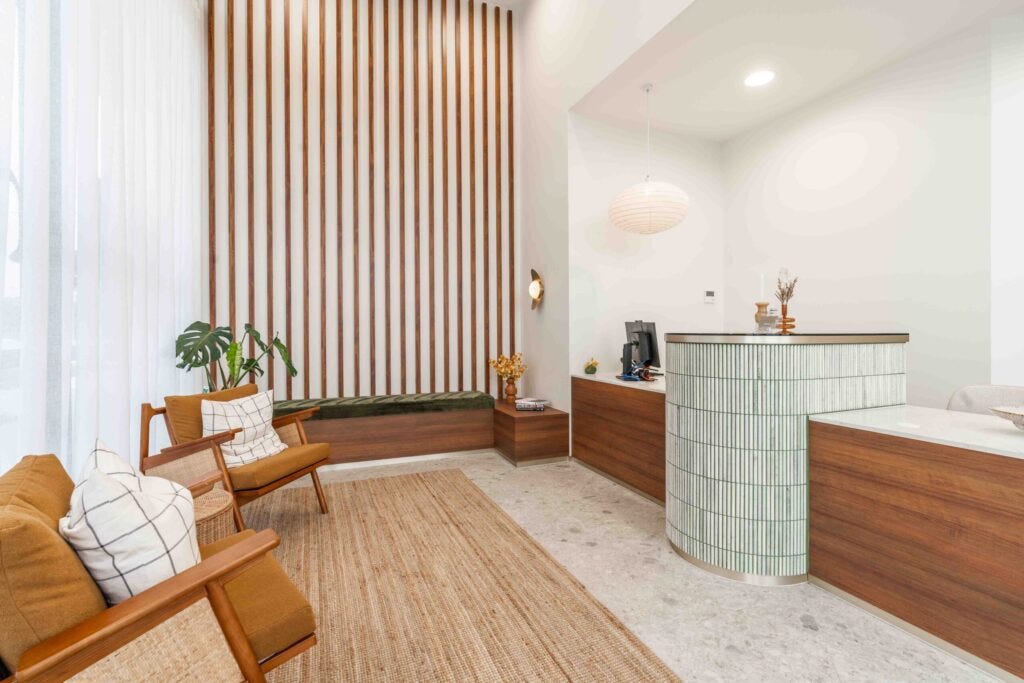
Hospital interior design is a vital component of modern healthcare infrastructure, directly impacting patient recovery, staff efficiency, and overall hospital performance. A well-designed hospital interior goes beyond visual appeal—it creates a safe, functional, and calming environment that supports medical excellence and enhances patient trust.
Effective hospital interior design begins with strategic planning and zoning. Hospitals require clearly defined areas such as outpatient departments, inpatient wards, operating theaters, emergency rooms, diagnostics, and administrative spaces. Proper spatial planning ensures smooth patient flow, minimizes cross-contamination risks, and improves coordination among medical teams. Well-organized layouts also reduce stress for patients and visitors navigating complex hospital environments.
Compliance and safety are central to hospital interior design. Hospitals must meet strict regulatory standards related to hygiene, infection control, accessibility, fire safety, and ventilation. Selecting appropriate materials that are durable, antimicrobial, and easy to maintain is essential. Flooring, wall finishes, and furnishings must withstand high traffic while supporting cleanliness and long-term use.
Patient-centered design is a growing focus in hospital interior design. Thoughtful use of lighting, calming color palettes, and noise-control elements helps create healing environments. Comfortable patient rooms, welcoming waiting areas, and clear wayfinding systems significantly improve the patient experience. Natural light and ergonomic design elements also contribute positively to patient recovery and staff well-being.
OnTime Healthcare specializes in delivering comprehensive hospital interior design solutions that align functionality, compliance, and aesthetics. Their approach focuses on understanding hospital workflows, medical requirements, and patient needs to create interiors that enhance operational efficiency and care delivery. From concept planning to execution, each design is tailored to the hospital’s vision and specialty.
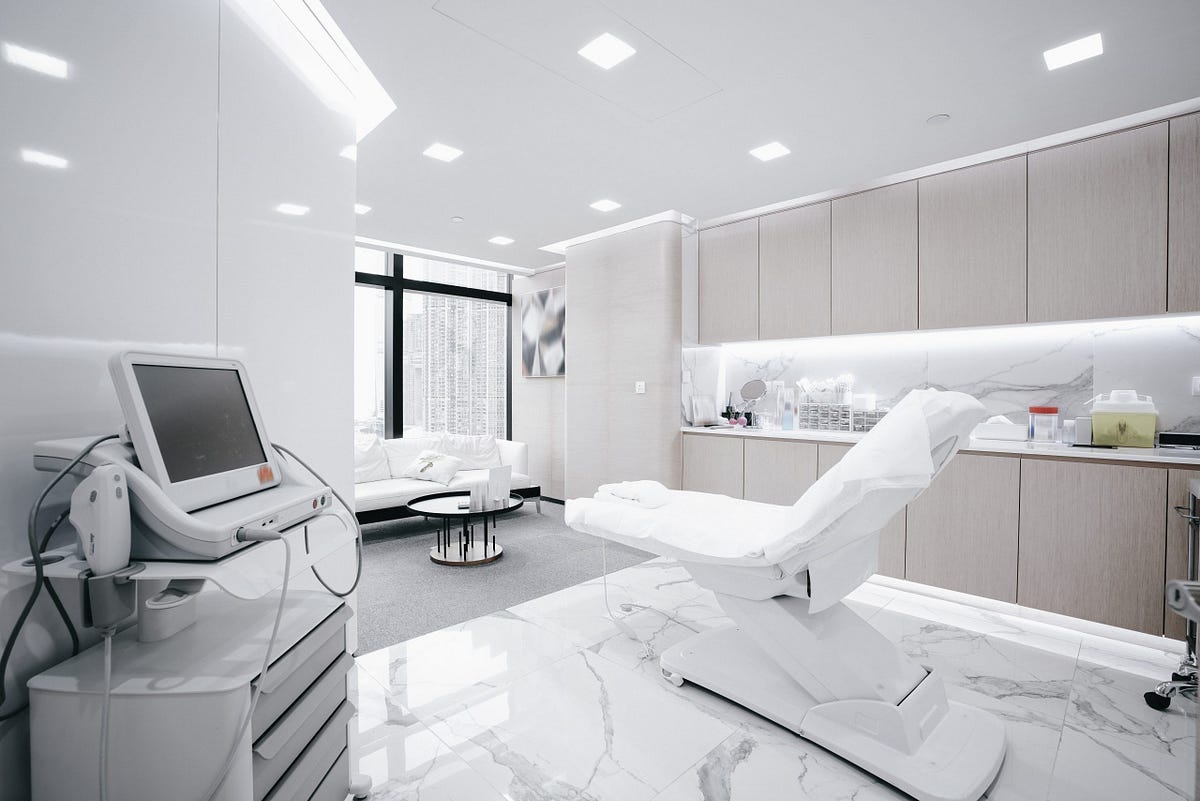
Technology integration is another critical element of modern hospital interiors. Advanced medical equipment, digital systems, and smart healthcare technologies require precise space planning. OnTime Healthcare ensures seamless integration of technology without compromising safety, accessibility, or visual harmony. Their designs support future scalability, allowing hospitals to adapt to evolving medical advancements.
Investing in professional hospital interior design is essential for building trust, improving patient outcomes, and supporting healthcare professionals. A well-designed hospital environment reflects quality, care, and efficiency—key factors in today’s competitive healthcare sector.
Frequently Asked Questions (FAQs)
1. Why is hospital interior design important?
It enhances patient comfort, supports medical workflows, ensures regulatory compliance, and improves overall healthcare delivery.
2. What are key elements of hospital interior design?
Efficient space planning, hygiene-focused materials, proper lighting, ventilation, accessibility, and patient-centered design.
3. How does hospital design affect patient recovery?
Calm interiors, natural lighting, reduced noise, and organized spaces contribute to lower stress and better healing outcomes.
4. Why choose OnTime Healthcare for hospital interior design?
OnTime Healthcare offers compliant, functional, and customized hospital interiors tailored to medical and operational needs.
Conclusion
A thoughtfully planned hospital interior design is fundamental to delivering safe, efficient, and patient-focused healthcare services. By combining compliance, functionality, and healing aesthetics, hospitals can create environments that support both patients and medical professionals. With its expertise in healthcare planning and execution, OnTime Healthcare helps hospitals design interiors that reflect excellence, trust, and long-term sustainability.